Driving in Malta is easier to plan when you think beyond the distance between attractions. Your first left-hand journey, the width of an accommodation entrance and the final parking search can matter as much as the route itself. Vrenty Car brings those decisions together here. Use Transport Malta's current Road Code for traffic rules, follow signs and instructions on the road, and read the selected rental agreement for permitted vehicle use.
Prepare for left-hand traffic before collecting
Malta drives on the left. If that is unfamiliar, choose a first journey that asks little of you: accommodation rather than several sightseeing stops, in daylight where practical. Consider an automatic if removing manual gear changes would help you concentrate. Familiarity with the transmission does not remove the need to adjust your road position, mirror checks and decisions at junctions. Allow yourself time to learn the vehicle before entering busy traffic.
While parked, adjust the seat and mirrors, identify the indicators, wipers and lights, and check how reverse gear and the parking brake operate. Set navigation and secure your phone in a suitable position before moving. Agree that a passenger will handle route changes if possible. A missed turn should lead to a safe new route, not a sudden crossing of lanes. After a long flight, rest or use another transfer if you are not ready to drive.
Use the official code for junctions
Transport Malta's Road Code says to give priority to traffic approaching from the right at a roundabout unless signs, markings or traffic lights direct otherwise. Approach slowly enough to read the actual layout and watch for road users already circulating. Do not copy a general travel website's claim that entering vehicles always have priority. The current instructions at the junction are essential, and temporary traffic management can change how you should proceed.
Choose your lane in good time according to signs and markings, then keep observing rather than assuming another driver will signal correctly. If you cannot safely reach the intended exit, continue in a lawful way and let navigation recalculate. Avoid learning a junction from the car ahead alone; that driver might have a different destination or make a mistake. Review the relevant Road Code sections before the trip if roundabouts or lane positioning concern you.
Read short distances realistically
Malta's compact geography can make an itinerary look effortless on a map. A short straight-line distance does not describe the usable road route, traffic or time needed to find parking. Check navigation for the actual starting address and intended arrival time, then add room for unfamiliar turns and the final walk. Do not build your schedule around a single optimistic journey estimate or assume the return takes exactly the same time.
Group nearby visits and leave one optional stop that can be dropped. A day that combines several separate regions may involve more time joining roads and looking for spaces than enjoying the places themselves. For an airport departure, increase the margin because a missed handover or late terminal arrival has larger consequences. Our Malta airport car rental guide explains how road time fits alongside refuelling, inspection and the onward walk or transfer.
Narrow streets reward a suitable car
A smaller car can be easier to place on a narrow approach, but it still needs to fit passengers and luggage safely. Check body size and the usable boot before choosing. A larger vehicle's parking sensors or camera can help, yet they do not replace direct observation of walls, kerbs and pedestrians. Drive at a pace that allows you to stop when visibility is limited and do not force a gap because somebody behind is impatient.
Before entering a tight street, check whether it is the correct legal approach and whether you can continue through it. Navigation may propose a shortcut that is unsuitable for your confidence or the vehicle. Use a wider signed route when that is the practical choice. Keep mirrors clear, avoid resting luggage where it blocks sightlines and ask passengers to let you concentrate during difficult manoeuvres. Never send someone into traffic to guide the car.
Choose parking before choosing the final map pin
Search for a lawful parking option near your destination, then use its accessible entrance as the final navigation point. An attraction's name may direct you to a pedestrian entrance or restricted street. Save a second option so that a full car park does not turn into repeated circling. Check the walking route from the space to the destination as well, particularly with children, a pushchair or someone who finds steps difficult.
Read signs at the actual bay or car park. Restrictions can concern residents, time of day, loading, permits or maximum stay, and temporary notices can change an otherwise familiar arrangement. Do not treat road-paint colour on its own as a complete parking rule. A row of parked cars does not prove that every space is legal. Leave entrances, crossings and reserved areas clear, and keep evidence of payment where a payment system requires it.
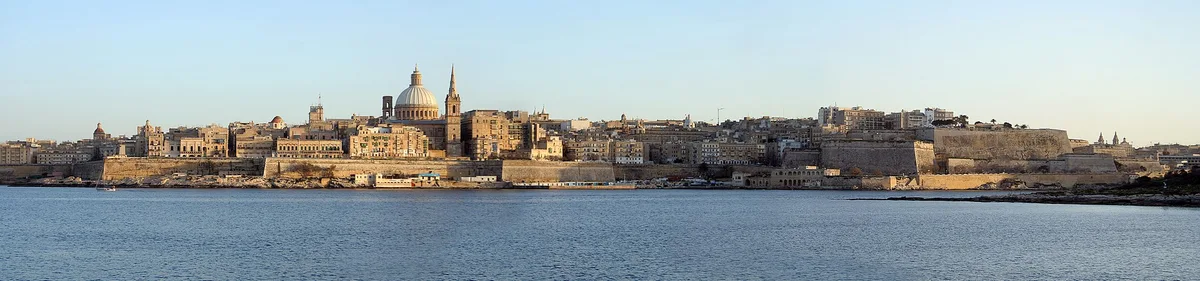
Valletta access and a parking space are separate
Valletta's CVA system uses number-plate recognition to record entry and exit and calculate applicable charges. Check the official CVA information for its boundary and current tariff arrangements before driving into the controlled area. The system is not a reservation for a parking bay. Paying a charge does not override a restricted street, a reserved space or another local parking rule.
Ask your rental supplier how CVA charges associated with the vehicle are handled and whether a contractual administration fee can apply. If your accommodation is within Valletta, ask the property for a lawful arrival and unloading plan rather than assuming its street is freely accessible. Parking outside the controlled area and continuing on foot or by another service may be the simpler option for a sightseeing day. Confirm the practical route for your party before choosing it.
Plan for parking at your accommodation
Accommodation parking should be confirmed in concrete terms. Does the property control a dedicated space, offer access to a shared garage or merely describe nearby public parking? Is a reservation needed and what is the total cost? Ask for the entrance location, clearance and any access code. A compact car still needs enough room to open doors and remove luggage, so photographs or measurements can be useful for an unusually tight garage.
Check the overnight arrangement and your departure time together. A parking facility that suits daytime visits may not provide the access you need before an early flight. Ask where you can stop briefly to unload without obstructing traffic. If no practical parking is available, reconsider how many days to keep the rental. The car or public transport comparison can help you organise an urban stay around a shorter period of driving.
Match road use to the rental agreement
A public-looking lane or a route displayed by a navigation app does not establish that your rental contract permits it. Read road-surface restrictions and avoid unapproved tracks, beaches or rough approaches. If the final access is unsuitable, stop at a lawful parking area and complete the visit another way. Vehicle ground clearance is not an authorisation to ignore the contract. Ask the supplier before the trip when a specific destination raises uncertainty.
The same approach applies to Gozo. Permission to drive in Malta should not be treated as automatic approval to take the vehicle on a ferry. Obtain written approval and check assistance arrangements for the crossing and island. Protection also needs reading in context: exclusions can apply to certain parts or forms of use. Our deposit and insurance guide shows how to check exposure without assuming that a reassuring package name covers every situation.
A practical parking comparison
Choose the parking arrangement around the visit you intend to make. A slightly longer walk can be worthwhile if it avoids an uncertain approach, but the walking conditions must suit the people travelling. Build shade, water and rest into summer outings, and consider lighting and footing when returning after dark. The table describes questions to investigate, not guaranteed facilities at a particular location.
- 1. Find the vehicle entrance to your first parking choice.
- 2. Save a lawful alternative before starting the journey.
- 3. Read local restrictions when you arrive.
- 4. Park fully within the permitted space and secure the car.
- 5. Note the location, any time limit and the route back.
| Visit | Useful parking priority | Check before committing |
|---|---|---|
| Historic centre | Lawful space outside restricted streets | Walking distance and access conditions |
| Accommodation | Confirmed overnight access | Reservation, clearance and early exit |
| Coastal stop | Marked or clearly authorised parking | Surface, signs and safe pedestrian route |
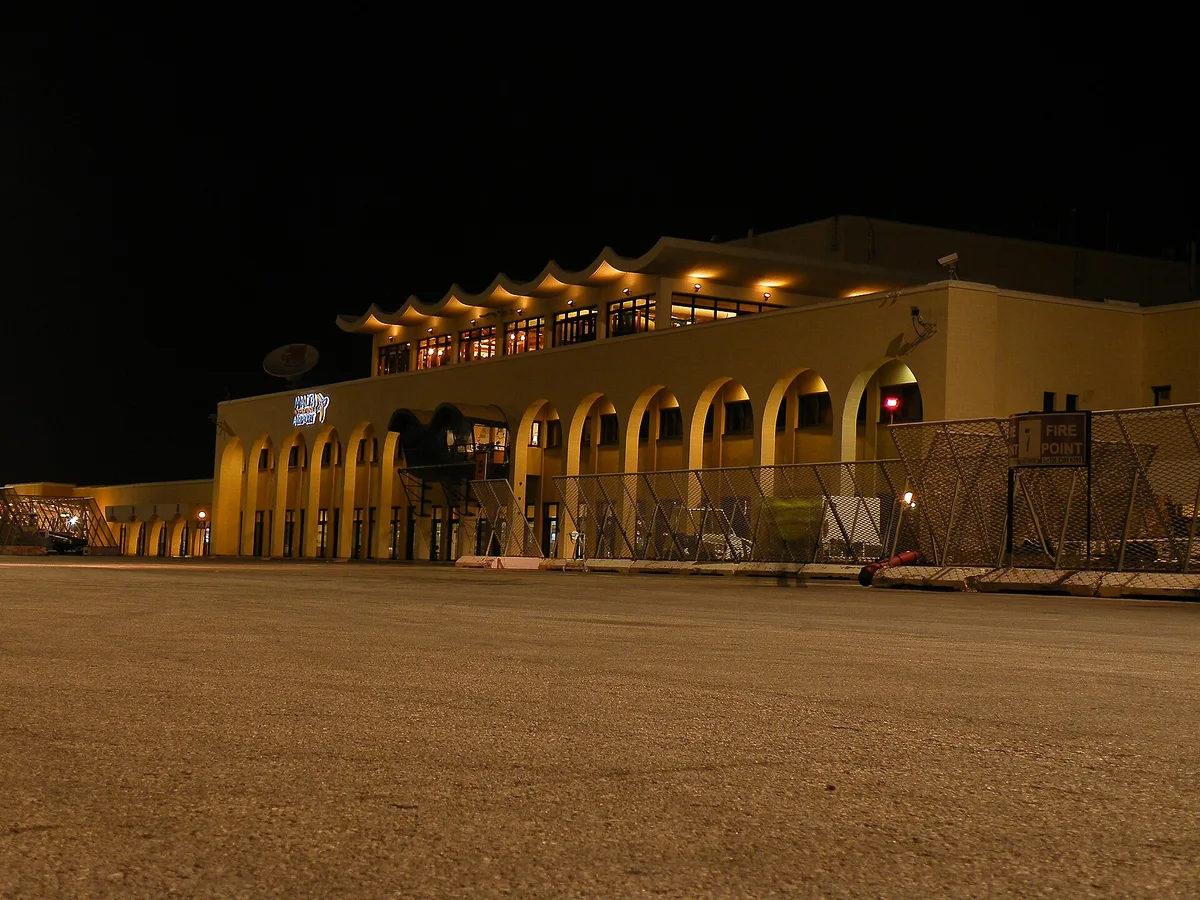
| Airport return | Supplier's specified return area | Entrance, inspection and key handover |
| Long day out | A stay long enough for the itinerary | Closing time and maximum duration |
Leave the car ready for a walk
Before leaving a parked vehicle, collect documents, valuables and the items needed for the outing. Put luggage out of sight before arriving at the final stop where practical, and avoid leaving irreplaceable belongings in the car. Check that doors and windows are secure. Photographing the parking location or saving a pin can make the return easier in an unfamiliar area, especially if you arrived through several similar streets.
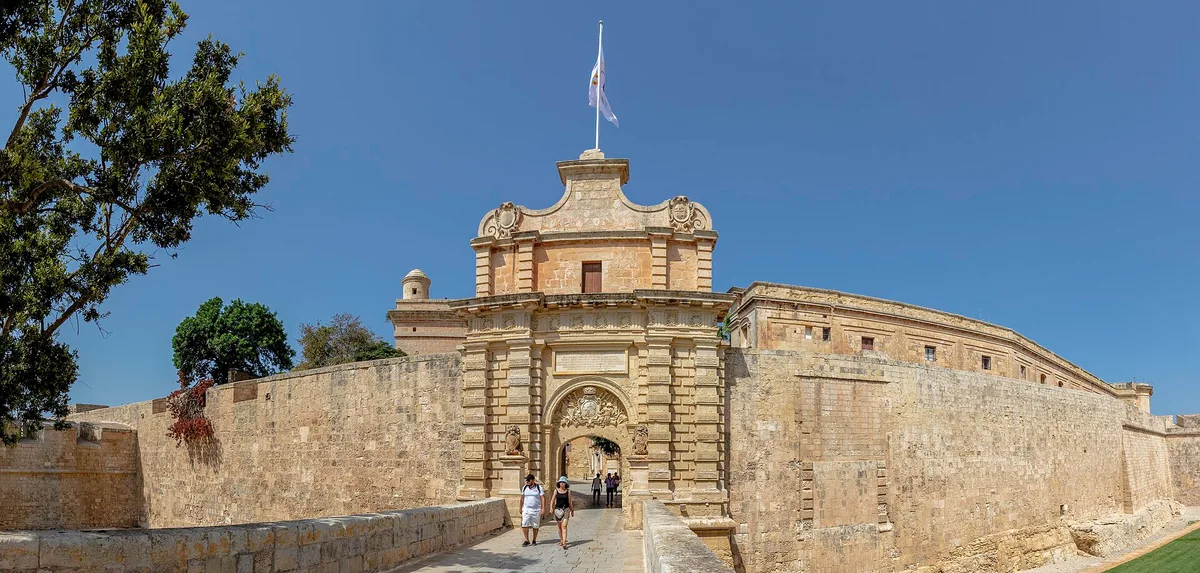
For a Mdina and Rabat day trip, plan one main parking stop and a walk between the visits you choose. Moving the car for every small change of destination can add effort without saving much time. Take water and any necessary clothing or medication with you. The ability to return to a parked car is useful, but it should not be the only plan for every small need during the visit.
If you receive a notice or find damage
Read any parking or traffic notice carefully and preserve it. Identify the issuing authority, vehicle registration, date and reference before acting. Use official channels to check payment or challenge procedures, and tell the supplier if the rental agreement requires it. A supplier administration charge and the underlying authority's charge may be different items. Request an explanation and documentation rather than assuming one payment automatically settles both.
If you discover damage while parked, record what you can safely observe and contact the supplier promptly. Follow its instructions for reporting and do not commission a repair without approval. If the car cannot be driven safely, leave it in a safe lawful position as far as circumstances allow and obtain assistance. Maintain a factual record of the location, time and communications. Avoid guessing who caused the damage when you have no evidence.
Build confidence into the booking
When comparing car rental in Malta, judge the vehicle and collection plan against your comfort as a driver. A modest car, daylight collection and confirmed accommodation parking can simplify the holiday more than an unnecessary upgrade. An additional authorised driver may help on a longer stay if both people meet the conditions and are comfortable with the roads. Arrange that before either person drives.
Revisit the plan after choosing accommodation and activities. If several days involve a walkable urban area, keep the car only for the outings where it adds value. If you retain it throughout, allow for parked days in the total cost. The aim is a practical schedule with clear access and return arrangements, not a requirement to drive everywhere simply because the vehicle is available.
Questions & answers
Should I follow an app into a restricted street?
Follow current signs, markings and authorised instructions. A route suggestion is not permission to enter. Continue safely and choose a lawful alternative if an approach is restricted or unsuitable. Set navigation to a usable parking entrance when the destination itself is pedestrian or difficult to access.
Does paying Valletta CVA guarantee parking?
No. The access charging system does not allocate a space or cancel restrictions on particular bays and streets. Check the official boundary and applicable charges, then separately establish where you may park and how the rental supplier handles any charges billed to the vehicle.
Is an automatic essential?
It is a preference rather than a universal requirement. An automatic can reduce the workload for someone adjusting to left-hand traffic. Choose what you can drive comfortably, check the selected offer and allow time at collection to learn the vehicle's controls before joining traffic.
Can I rely on a fixed drive time for an airport return?
Use a current route estimate as one input, then add time for traffic uncertainty, refuelling, the supplier handover and reaching the terminal. Confirm the correct return entrance. A short distance across the island does not remove those separate stages or the airline's arrival requirement.